
Master Your Daily Energy with Smart Nutrition
Discover how Natural Energy Habits empowers you to balance your nutrition and maintain steady energy throughout your day
Why Energy Balance Matters
Proper nutrition isn't just about feeling good — it's about understanding how your body converts food into the energy you need for every moment of your day.
Sustained Energy
Learn how balanced macronutrients work together to provide steady energy without afternoon crashes.
Better Focus
Discover how proper nutrition fuels your brain, improving concentration and mental clarity throughout the day.
Natural Wellness
Explore whole-food-based strategies that support your body's natural energy production and recovery.
Track Progress
Learn practical methods to monitor your energy levels and nutrition patterns for continuous improvement.
Core Nutrition Pillars
Our framework is built on three fundamental principles that work together to optimize your daily energy and wellbeing.
Macronutrient Balance
Understanding proteins, carbohydrates, and healthy fats is essential. Each macronutrient plays a specific role in energy production, muscle maintenance, and hormone regulation. We guide you through finding the right balance for your unique lifestyle and activity level.
- Protein for muscle recovery
- Carbs for steady fuel
- Fats for cellular health
Hydration Strategy
Water is often overlooked yet critical for energy production and nutrient transport. Learn how proper hydration affects metabolism, cognitive function, and physical performance. We share evidence-based hydration timing and quantity guidelines.
- Optimal daily intake targets
- Hydration timing tips
- Electrolyte balance essentials
Meal Timing
When you eat is as important as what you eat. Discover how meal frequency, timing, and portion distribution throughout your day influence energy levels, hunger hormones, and metabolic efficiency. Personalise your eating schedule.
- Pre-activity nutrition
- Post-workout recovery meals
- Evening energy management
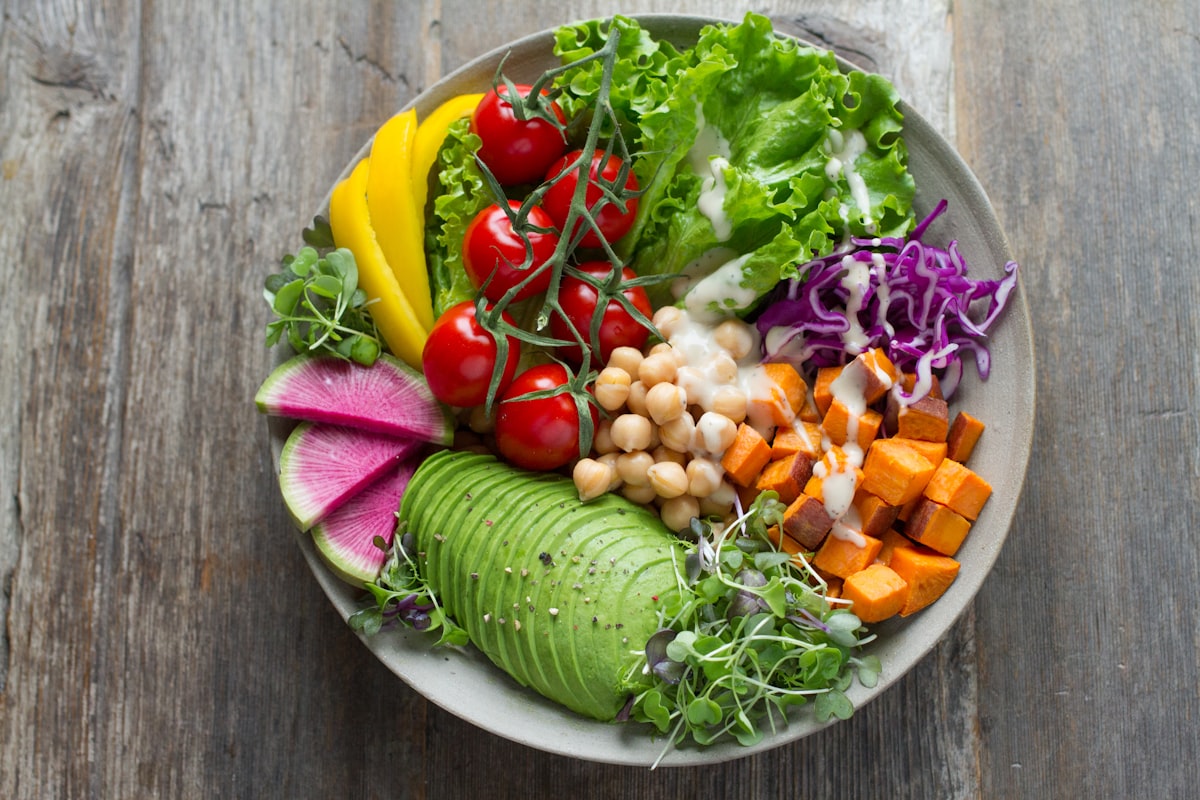
How Energy Balance Works for You
Energy balance is the relationship between the energy (calories) you consume through food and drink versus the energy your body uses for basic functions, movement, and activity. Understanding this fundamental principle is the foundation of sustained wellness and consistent energy.
Caloric Intake
The energy from food and beverages you consume. Quality matters — nutrient-dense whole foods provide more sustained energy than processed alternatives.
Energy Expenditure
How your body burns energy through metabolism, physical activity, and daily movement. This varies greatly based on age, activity level, and metabolism.
The Balance Point
When intake matches expenditure, your body maintains stable energy levels. Small adjustments help you find your personal optimal balance.
Real Meal Examples and Results
See how our community members structure their daily nutrition for sustained energy and wellbeing.

Morning Energy Setup
A balanced breakfast combining whole grains, protein, and fresh fruit provides 4-5 hours of sustained energy without mid-morning crashes.
Example meal: Oatmeal with Greek yoghurt, berries, and almonds
Approx balance: 35% carbs, 25% protein, 20% healthy fats
Result: Steady energy, improved focus, reduced cravings

Afternoon Performance Meal
A midday meal rich in lean protein and complex carbs maintains afternoon productivity and prepares your body for evening activities.
Example meal: Grilled chicken with quinoa and roasted vegetables
Approx balance: 30% carbs, 40% protein, 15% healthy fats
Result: Sustained focus, reduced energy dips, better metabolism

Pre-Activity Snack
A small snack 1-2 hours before exercise provides quick energy while avoiding digestive discomfort during activity.
Example snack: Banana with almond butter and a handful of nuts
Approx balance: 50% carbs, 15% protein, 25% healthy fats
Result: Enhanced endurance, better performance, quicker recovery

Evening Recovery Meal
A lighter dinner supports overnight recovery and repair while maintaining stable blood sugar for quality sleep.
Example meal: Salmon fillet with sweet potato and steamed broccoli
Approx balance: 25% carbs, 35% protein, 20% healthy fats
Result: Better sleep quality, muscle recovery, sustained night-time energy
Your 4-Week Energy Balance Journey
A practical roadmap to help you establish sustainable nutrition habits and discover your personal energy balance.
Week 1: Foundation
Start with awareness. Track your current eating habits and energy patterns without making major changes. Learn the basics of macronutrient balance.
- Log meals for 7 days
- Note energy levels hourly
- Read macronutrient guides
- Set hydration baseline
Week 2: Optimisation
Begin making small adjustments based on your Week 1 observations. Focus on meal timing and introducing whole foods into your routine.
- Adjust meal timing
- Swap processed foods
- Increase water intake
- Try new recipes
Week 3: Refinement
Fine-tune your macronutrient ratios based on how you feel. Experiment with portion sizes and meal combinations that work best for you.
- Find your macro ratio
- Establish meal prep routine
- Notice energy patterns
- Adjust pre-activity meals
Week 4: Stabilisation
Lock in your sustainable routine. Reflect on changes, celebrate improvements, and plan long-term habits that align with your lifestyle.
- Review progress notes
- Create meal plans ahead
- Build sustainable habits
- Plan ongoing tracking
Understanding Energy Balance Benefits
See the difference between common nutrition approaches and energy-balanced eating.
| Aspect | Unbalanced Eating | Energy-Balanced Nutrition |
|---|---|---|
| Daily Energy | Crashes, spikes, inconsistent levels | Stable, sustained, predictable |
| Hunger Patterns | Unpredictable cravings, overeating | Naturally regulated appetite |
| Mental Clarity | Brain fog, concentration lapses | Sharp focus, improved cognition |
| Physical Performance | Fatigue, poor workout recovery | Better endurance, faster recovery |
| Sleep Quality | Disrupted, inconsistent sleep | Deeper, more restorative sleep |
| Mood & Stress | Mood swings, increased anxiety | Stable mood, better stress management |
| Long-term Health | Variable energy, potential health impacts | Sustainable wellness, cellular health |
Common Questions About Energy Balance
Get answers to the most frequently asked questions from our community.
Energy balance refers to the relationship between the calories you consume through food and beverages versus the calories your body burns through basal metabolism (maintaining basic body functions), physical activity, and digestion. When intake equals expenditure, you're in balance. Understanding this principle helps you make informed nutrition decisions and maintain consistent energy levels throughout your day.
What Our Community Says
Real stories from people who transformed their energy and health with Natural Energy Habits.
Sarah Johnson
Busy Professional
"Natural Energy Habits completely changed how I approach my day. I used to crash at 3 PM every afternoon, but now I have sustained energy from morning to evening. The practical tips are easy to implement even with my hectic schedule."
Marcus Chen
Fitness Enthusiast
"As someone who works out regularly, I needed to understand how to fuel my body properly. This resource taught me the science behind energy balance and how to optimize my nutrition for better performance and recovery."
Emma Martinez
Health Coach
"I recommend Natural Energy Habits to all my clients. The evidence-based approach and practical strategies make it easy for people to understand why they feel tired and what they can do about it. It's been invaluable in my coaching practice."
David Kim
College Student
"College life is chaotic, but these habits helped me stay energized through long study sessions and classes. I've improved my focus, my grades, and my overall well-being. Wish I'd found this sooner!"